
10 Warning Signs Your Railing Needs Repair
Why railing problems hide in plain sight
Knowing the signs your railing needs repair matters because railings rarely fail all at once. They loosen a little each season, rust from the inside of a post, or rot under a cap that still looks fine from a lawn chair. Across San Ramon, Danville and the rest of the Tri-Valley, long hot summers dry out wood and bake cheap paint, and a lot of decks built in the 1970s and 1980s are reaching the end of their original rails.
Use the list below as a walk-around checklist. If you find one of the first four signs on an elevated deck, balcony or stair, keep people off it and call (925) 438-6219.
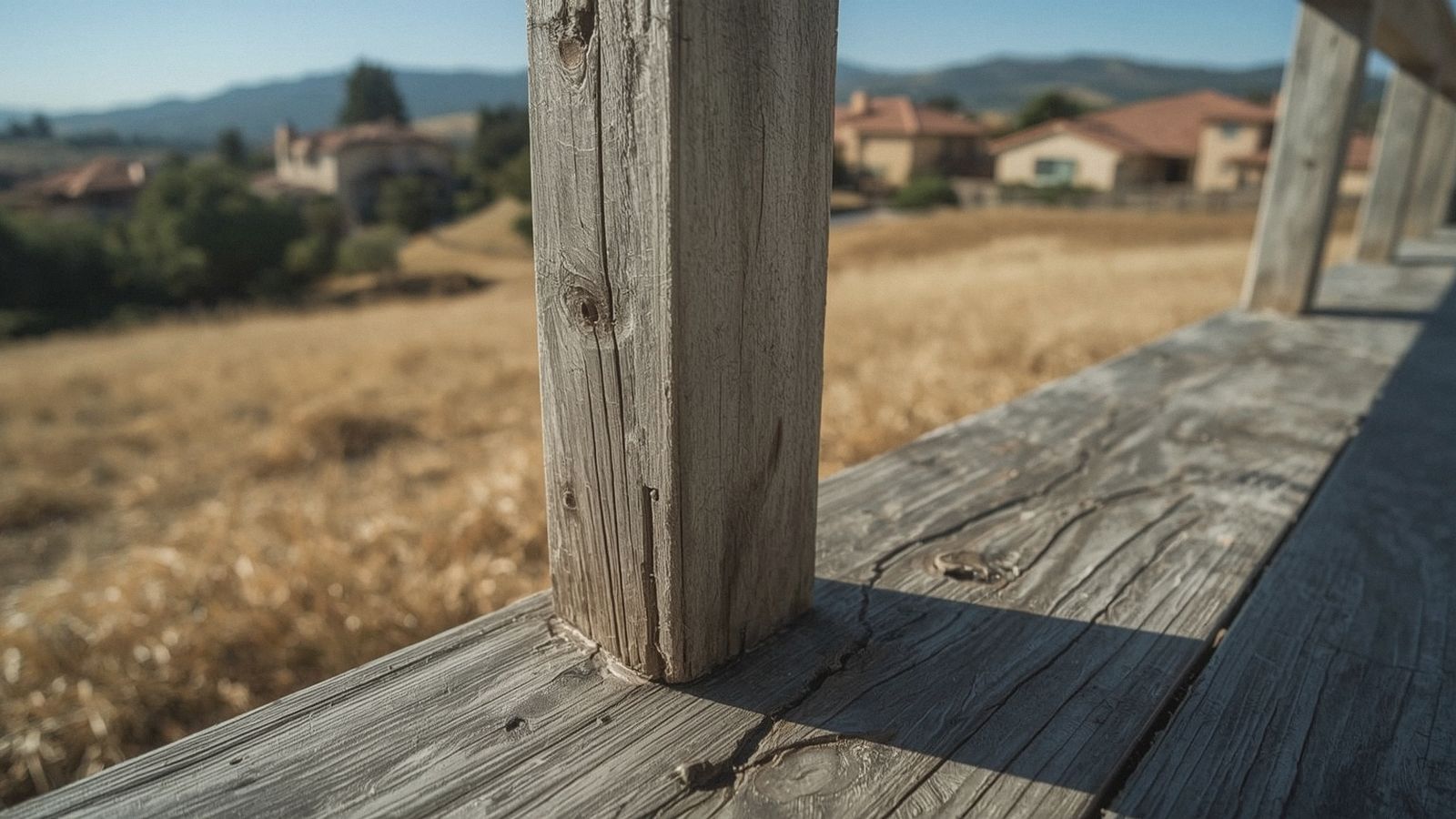
Metal and wood fail differently. Steel usually rusts from the bottom up, where water sits at post bases and inside hollow tubes. Wood rots wherever water lingers: cracks along the cap, post tops where end grain soaks up rain, and post bases at the deck surface. Knowing where to look makes a quick check far more useful.
Signs 1 to 5: structure and metal
- Wobble or visible deflection. Push firmly on the top rail mid-span and at each post. A guard should feel solid; the building code requires guards to resist a specified load applied at the top rail. Movement you can see usually means a loose post connection or decayed framing.
- Rust at post bases. Water collects where a steel post meets concrete or a deck surface. Bubbled paint, flaking scale or a post that sounds hollow when tapped near the base is a warning.
- Rust bleeding onto stucco or concrete. Orange streaks below a balcony rail or stair stringer mean water is getting into steel somewhere above. The stain is cosmetic; the corrosion feeding it may not be.
- Cracked or failed welds. Look for hairline cracks at joints, rust lines tracing a weld, or a baluster that rattles at one end. A broken weld transfers load to the next joint until that one goes too.
- Rotted wood posts. Probe the base of wood posts and the end grain under caps with a screwdriver. Soft, spongy wood or a post that moves at the deck surface needs attention now.
Planning a railing project in San Ramon or the Tri-Valley? We measure on site for free and give you a written range before anything is fabricated.
Signs 6 to 10: infill, height and hardware
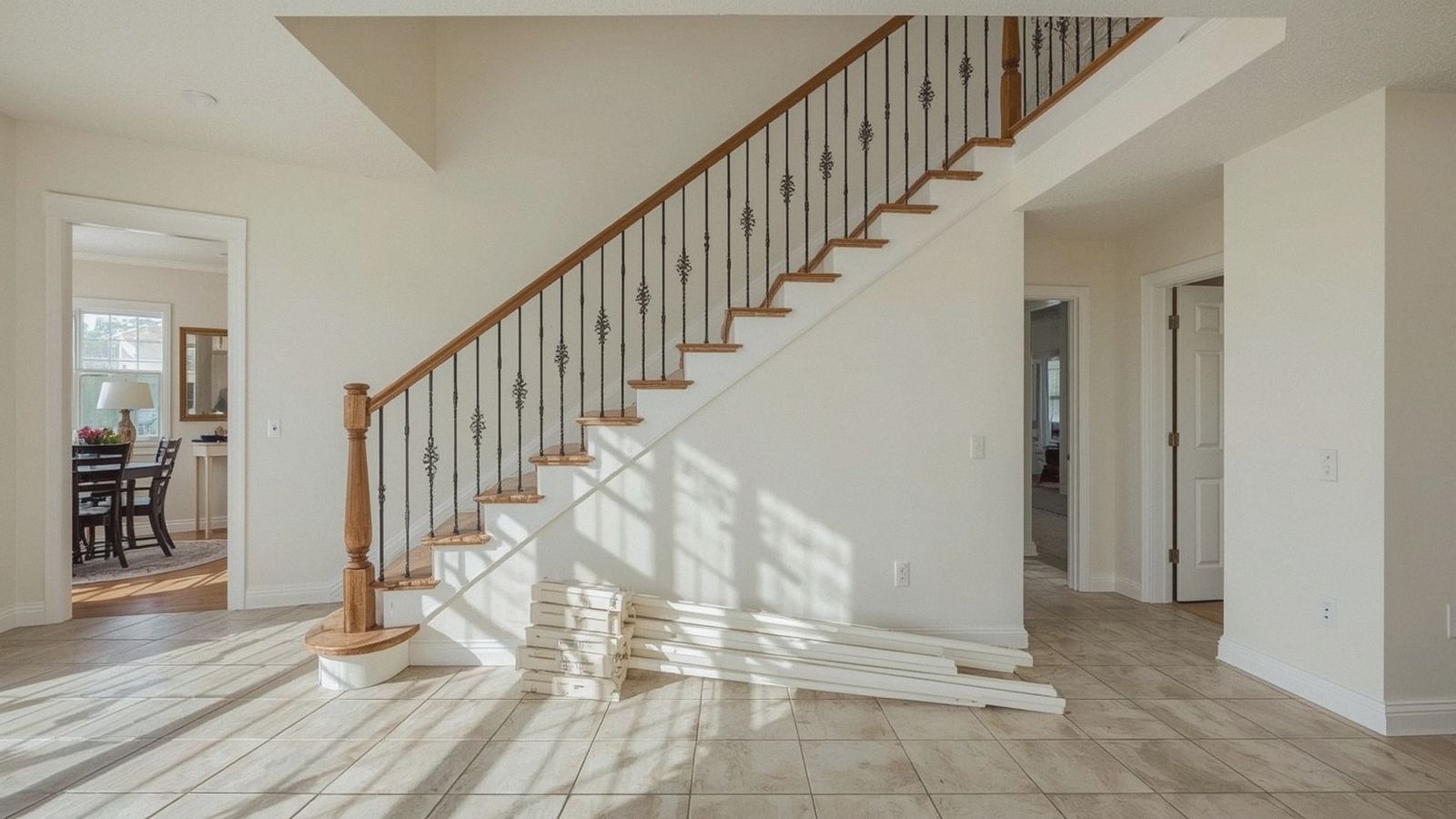
- Loose or missing balusters. A spindle that spins or pops out leaves a gap a small child can fit through.
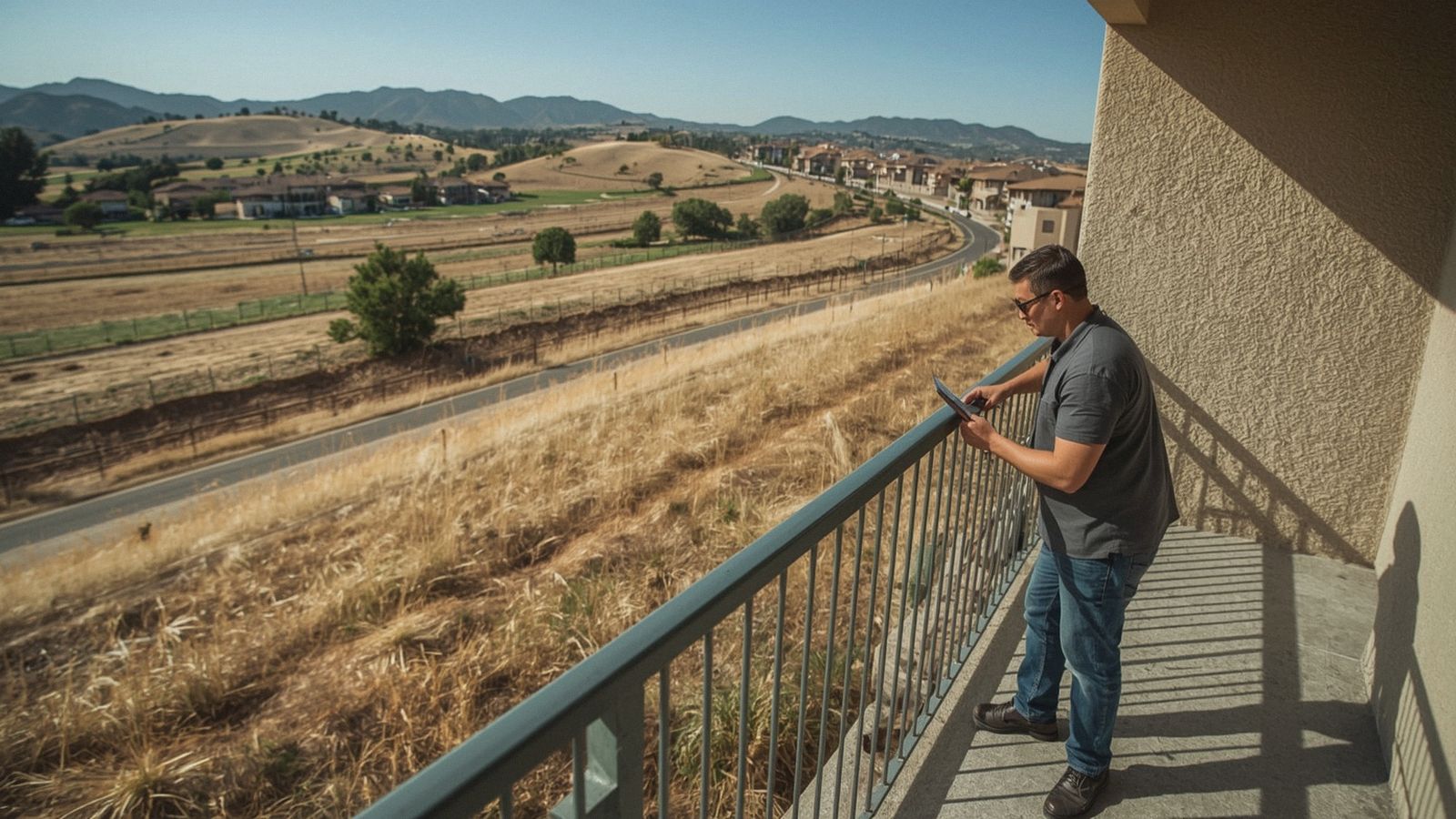
- Guards under 42 inches or gaps over 4 inches. Current California code calls for a 42-inch guard where a walking surface is more than 30 inches above grade, with openings that will not pass a 4-inch sphere. Many older homes have 36-inch rails. That may have been legal when built, but it is worth knowing before a remodel.
- Heat-checked or split wood caps. Deep cracks along a rail cap hold water in winter and dry out in summer, speeding rot and loosening fasteners.
- Corroded fasteners. Rust-stained screws, snapped lag bolts or plain steel hardware in treated lumber are common on older decks and can fail without much warning.
- Posts that moved after an earthquake. The Calaveras Fault runs along the west side of the San Ramon Valley. After any noticeable shaking, check for new gaps at post bases, cracked grout around core-drilled posts or a rail line that no longer runs straight.
What to do when you find a problem
- Restrict access to any elevated area with a loose guard. Tape it off or lock the door.
- Photograph the issue with a tape measure in frame. It helps us price the repair before we arrive.
- Avoid quick fixes like construction adhesive or extra deck screws in rotted wood. They hide the problem.
- Call for an assessment. We look at the rail, the posts and what they are fastened to. Call (925) 438-6219.
Repair or replace?
| What you find | Usually repairable | Usually time to replace |
|---|---|---|
| Surface rust, sound steel | Clean, prime, refinish | Rust has eaten through post walls |
| One or two cracked welds | Grind and re-weld in place or in the shop | Cracks at many joints |
| Loose posts | New anchors or through-bolts into sound framing | Framing is rotted at the connection |
| Loose balusters | Re-secure or replace individual pieces | Most of the infill is loose or broken |
| Low height or wide gaps | Sometimes extended with an engineered add-on | Most of the guard needs rebuilding anyway |
| Rotted wood cap or posts | Replace a short section | Rot along most of the run |
A practical caveat: when a large share of an existing guard is replaced (many departments use roughly half as a rule of thumb), the work is commonly treated as new and must meet current code. Confirm the threshold with your local building division. Learn more on our railing repair page, or compare options for a full deck railing replacement.
A simple seasonal check routine
Ten minutes twice a year catches most problems while they are still repairs:
| When | What to check |
|---|---|
| Late spring, before the dry season | Push-test every post, look for new rust at bases, check wood caps for fresh splits, tighten any loose hardware |
| Early fall, before the rains | Clear leaves from base shoes and post bases, touch up chipped paint or powder coat, look for gaps where water can get into hollow posts |
| After any noticeable earthquake | Walk every elevated rail and stair, looking for cracked grout, tilted posts or new gaps at the house wall |
| Before a party or family visit | Lean-test the rails where people actually gather, and check gaps where small kids will play |
Write down what you find with dates and photos. A record makes it easier to spot slow changes, such as a post that leans a bit more every year.
A note for rental and multifamily owners
If you own a building with three or more rental units, California's SB 721 requires periodic inspection of balconies, stairs, walkways and their guardrails and handrails more than 6 feet above grade. Several of the signs above are exactly what an inspector will flag. Read our SB 721 guide for Tri-Valley owners and see multifamily railing services.
Get a free railing assessment
We repair iron, steel, aluminum, cable and glass railings in the shop or on site, and replace wood rails with metal when repair no longer makes sense. Estimates are free. Call (925) 438-6219 or send us photos through the contact page.
FAQ
Questions, Answered
Straight answers on cost, code, permits and materials. Still unsure? Call and ask.
How do I know if my railing is safe to lean on?
Push firmly on the top rail at mid-span and at every post. A sound guard barely moves. If you see the rail flex, a post shift at its base, or hear a creak from the framing, do not lean on it and keep children away. Have the posts and the framing they attach to checked before the rail is used again.
Can rusted iron railings be repaired instead of replaced?
Often, yes. Surface rust on sound steel can be cleaned, primed and refinished, and short rusted sections or post bases can be cut out and replaced with new steel welded in. If rust has eaten through post walls along much of the run, replacement usually costs less over time. We tell you which case you have during the free estimate.
My railing is 36 inches tall. Do I have to raise it?
An existing 36-inch guard that was legal when built is not automatically required to change. Replacing a large share of it or rebuilding the deck usually means the new work must meet the current 42-inch guard rule. Confirm with your building department before you plan the work, and consider the safety upgrade even when it is optional.
Need Help in San Ramon?
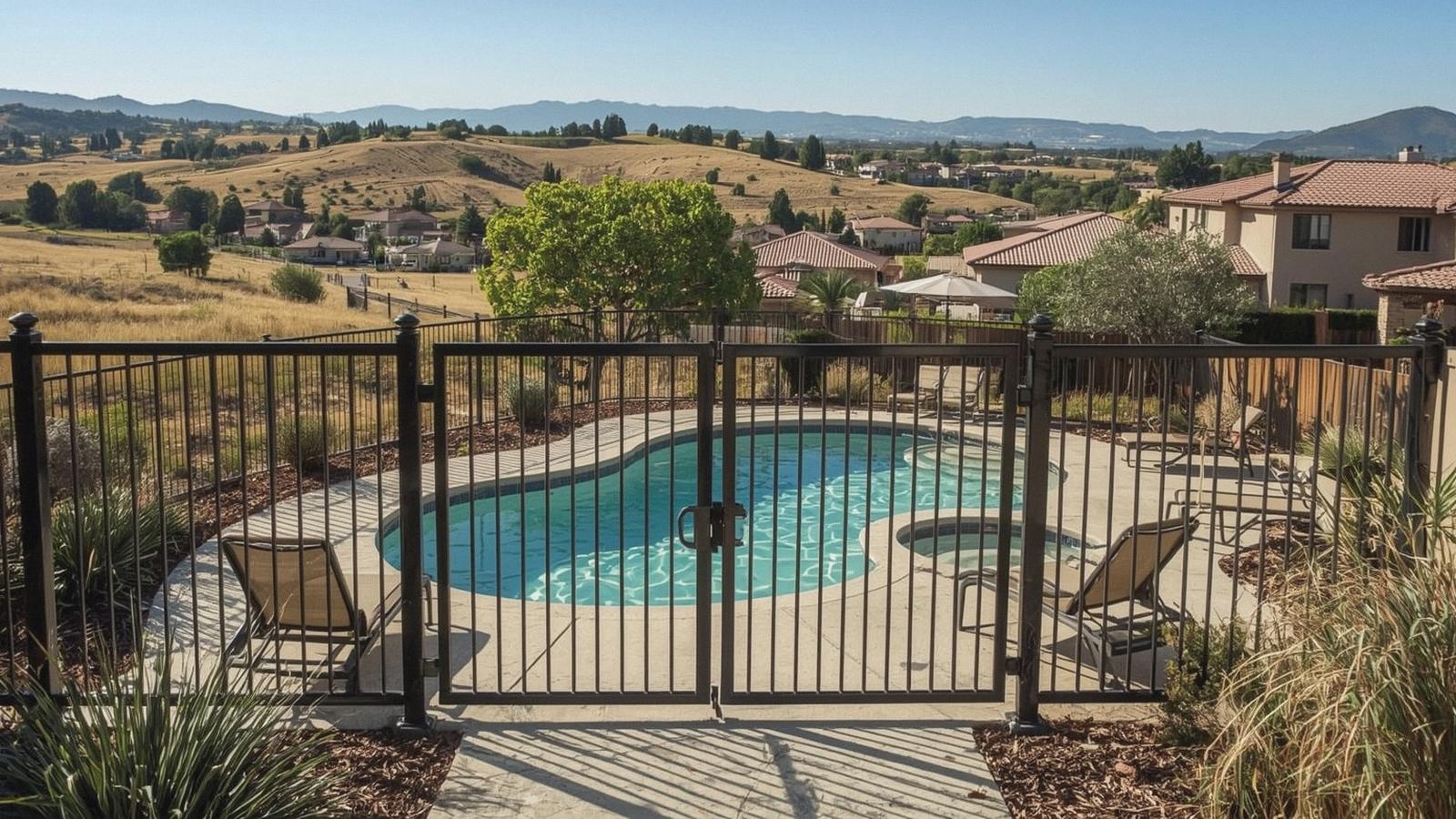
San Ramon Custom Railing builds custom iron, cable, glass and aluminum railings across San Ramon, CA and the Tri-Valley. If this guide answered your question, the next step is a free on-site measure and a written range. See everything we do on our homepage, or reach out now.